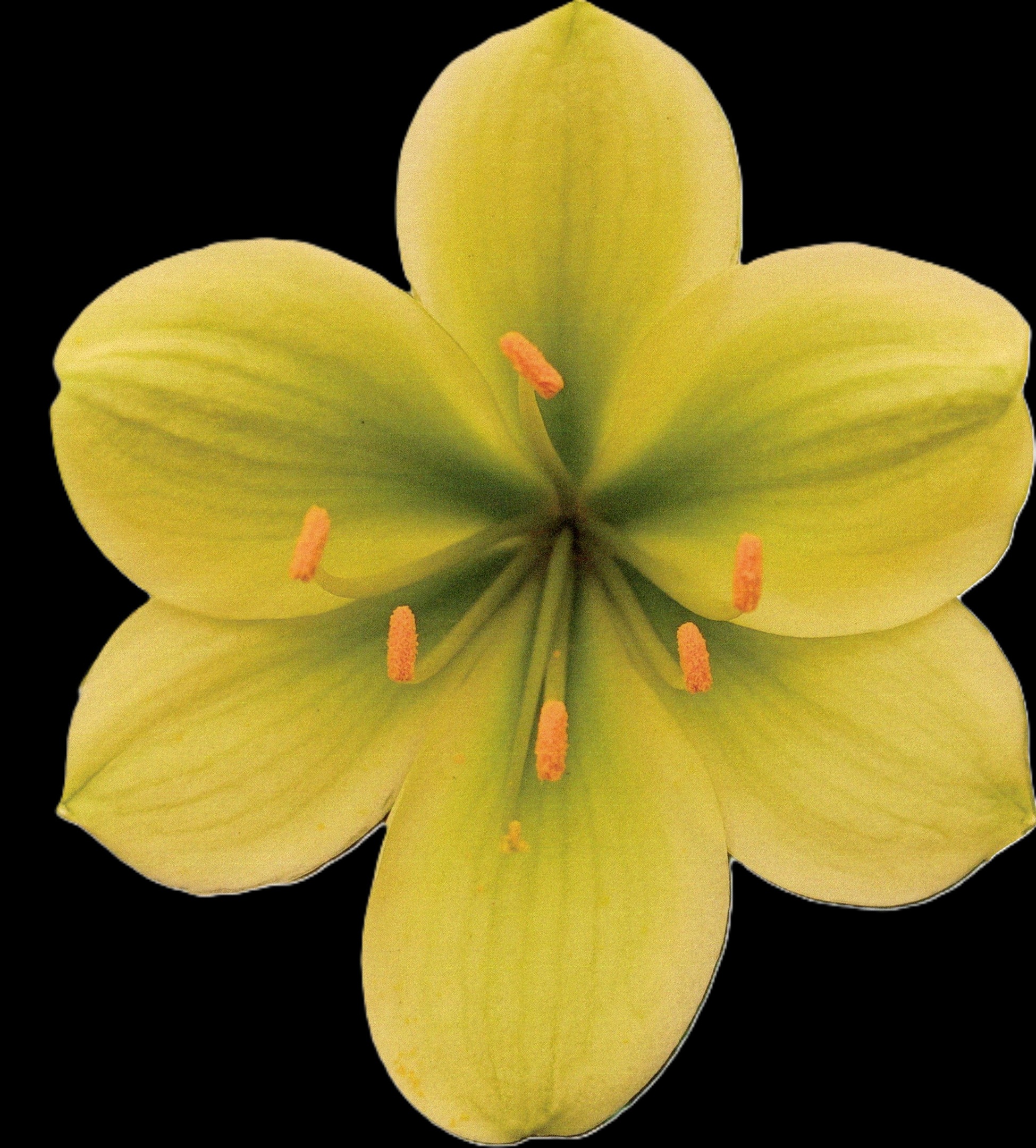
Clivia miniata are not part of the orchid family, thus this separate web site.  My Clivia miniata production is based on South African seed, as well as my own breeding stock.  'Seedlings' & 'Divisions' pages show the crosses currently available and coming in the near future, I quote based on the actual plants available at time of inquiry.

Last update:   July 16, 2026

Participating in NYC Plant Market at Culture Lab LIC on July 19th, Aug 23rd & Oct 18th.


Garden Clubs:   I have a presentation on Clivia (& Hoya) available for Garden Clubs.  Please go to fairorchids.us and refer to 'Speaker' page.

This web site is updated several times annually.

Message to web designers:    Do NOT call me!

Welcome to this separate web site dedicated to Clivia miniata.  If you have a family heirloom Clivia, and it has never bloomed for you, please click on this link:  Clivia culture.

My history with Clivias goes back almost 60 years.  In my dad's nursery it was my job to harvest seeds from any Clivia we had not sold in bloom, and sow it for the next crop.  When I launched Fair Orchids in 2014 I elected to refrain from interfering with the activities of Glen Decker (Piping Rock Orchids), so I did not include Clivia initially.  Following Glen's  retirement from the orchid show business circuit in 2018, I could finally pursue my interests in Clivia without interfering with anyone else in the Northeastern US.

After the Covid epidemic, we could no longer reach Glen's source in China (primarily variegated Clivia), so I have instead based my production on seed purchased in South Africa from some of the premier breeders (initially Utopia Clivias, in 2026 adding Clivia Kingdom).  The initial small test shipment in 2022 went well, so I now import 200-400 high quality seeds each year, looking primarily for new flower colors.  As my own collection of breeding quality plants grows, I am increasingly producing my own seed to complement the seed I buy from South Africa..

  • By utilizing tools developed for orchid production, I achieve 96-98% germination of Clivia miniata seed.

  • By using a premium potting mix & heavy fertilization, most seedlings reach the 3-4 leaf stage in 10 months.  I start offering these plants for sale when they reach the 4-6 leaf stage, typically in 14-15 months.

  • By keeping the seedlings in accelerated growth year round, I have seen a few plants bloom in about 33 months, and many in less than 4 years.  Photo below (taken June 22nd, 2026) shows:

  • Foreground:  2025 seedlings at 9.1/2 months in 2.1/2" pots

  • Background:  2024 seedlings at 22 months in Quart (4.1/2") pots.

I buy and sell Clivia miniata.   

I am always interested in adding plants to my breeding collection.  If you have offsets available of some of your better plants, please email photos of both the plant available, and a flower photo from the parent plant, and tell me what price you would want (send to fairorchids@aol.com).  If you make a fair offer, you will save the Ebay fees.

My production of seedlings is considerable (4-500 pcs annually, with at least half based on imported seed).  This production is primarily focused on flower colors, size & shape; when possible I also produce a few variegated plants. 

If you have seedlings available of non-standard foliage types, they might be of interest if available at wholesale pricing.  To make it worth the time it takes to edit the web site & price list, I would need a minimum of 12 pcs and possibly 24-36 pcs.  For example, I currently (June 2026) have a quantity of Akebono (Light of Buddha, orange flowers) seedlings available, please see the price page. 

From the same breeder I have obtained a shipment of young (Akebono x Golden Dragon) seedlings, currently (June 2026) still single leaf, but it is clear that the Akebono cross leaf variegation has carried through. 

These plants will have orange flowers, but 50% yellow genes.  Thus, they will be very useful towards breeding yellow Akebonos in the next generation. 

I expect to release these plants for sale in mid 2027.

'Split For'

Some old-time Clivia breeders use the term 'Split for' to describe plants, that are carrying genes for something that is not visible.  That term has no scientific meaning; the correct way to describe such plants is shown above.